

How Long Should Your Saint Paul, MN Roof, Siding, and Windows Actually Last?
One of the most common questions we hear from homeowners is some version of: "How do I know when it's time to replace X?" It's a fair question, these aren't cheap projects, and nobody wants to replace something before they have to. Here's an honest guide to the expected lifespan of your home's major exterior components.
Roofing
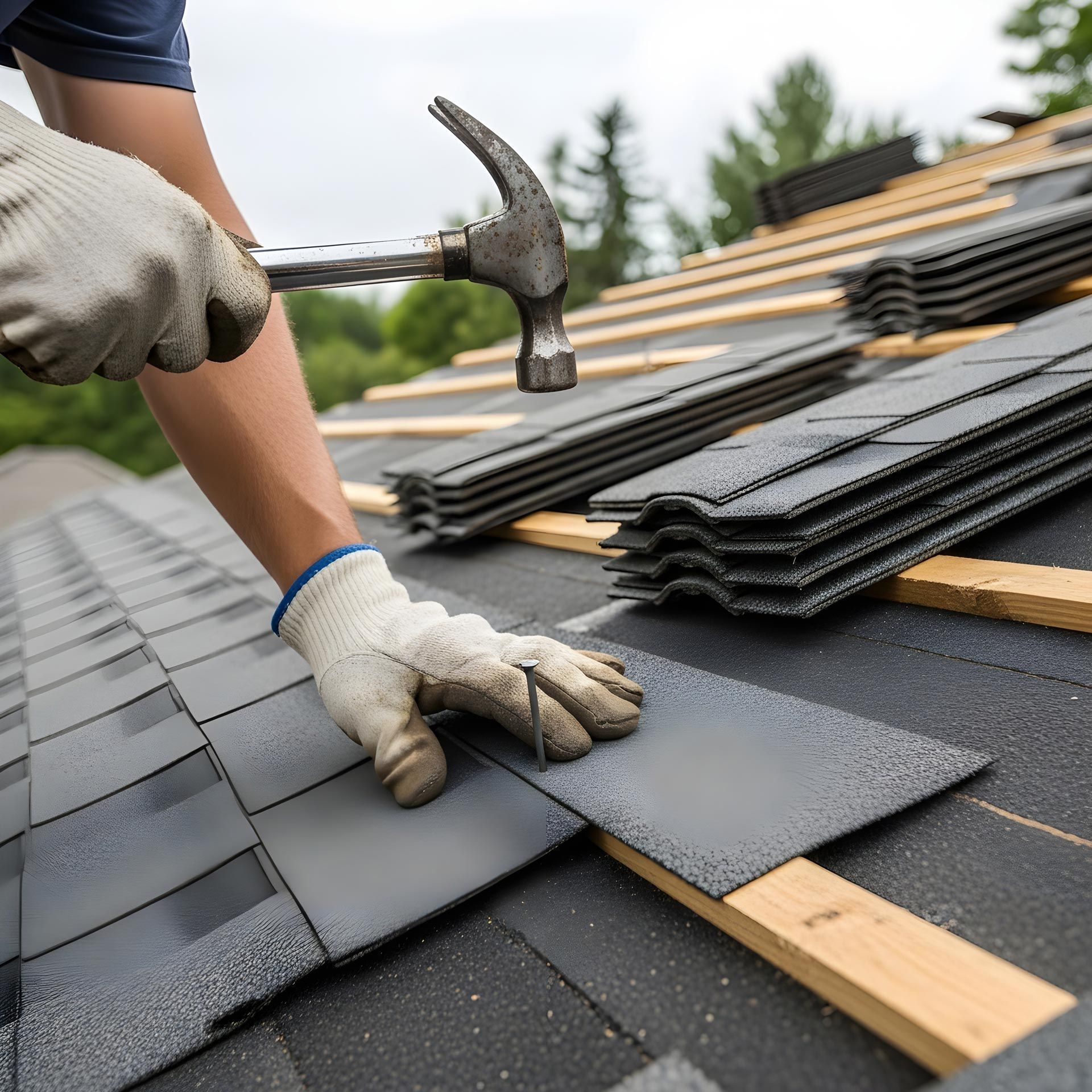
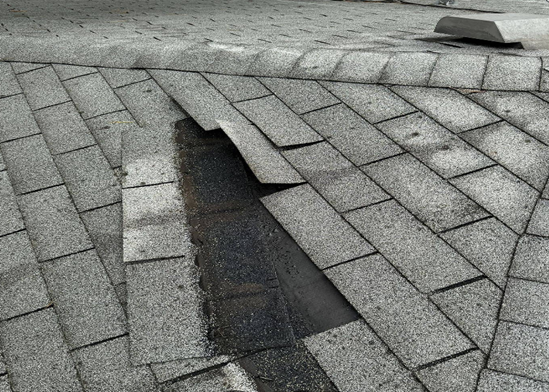
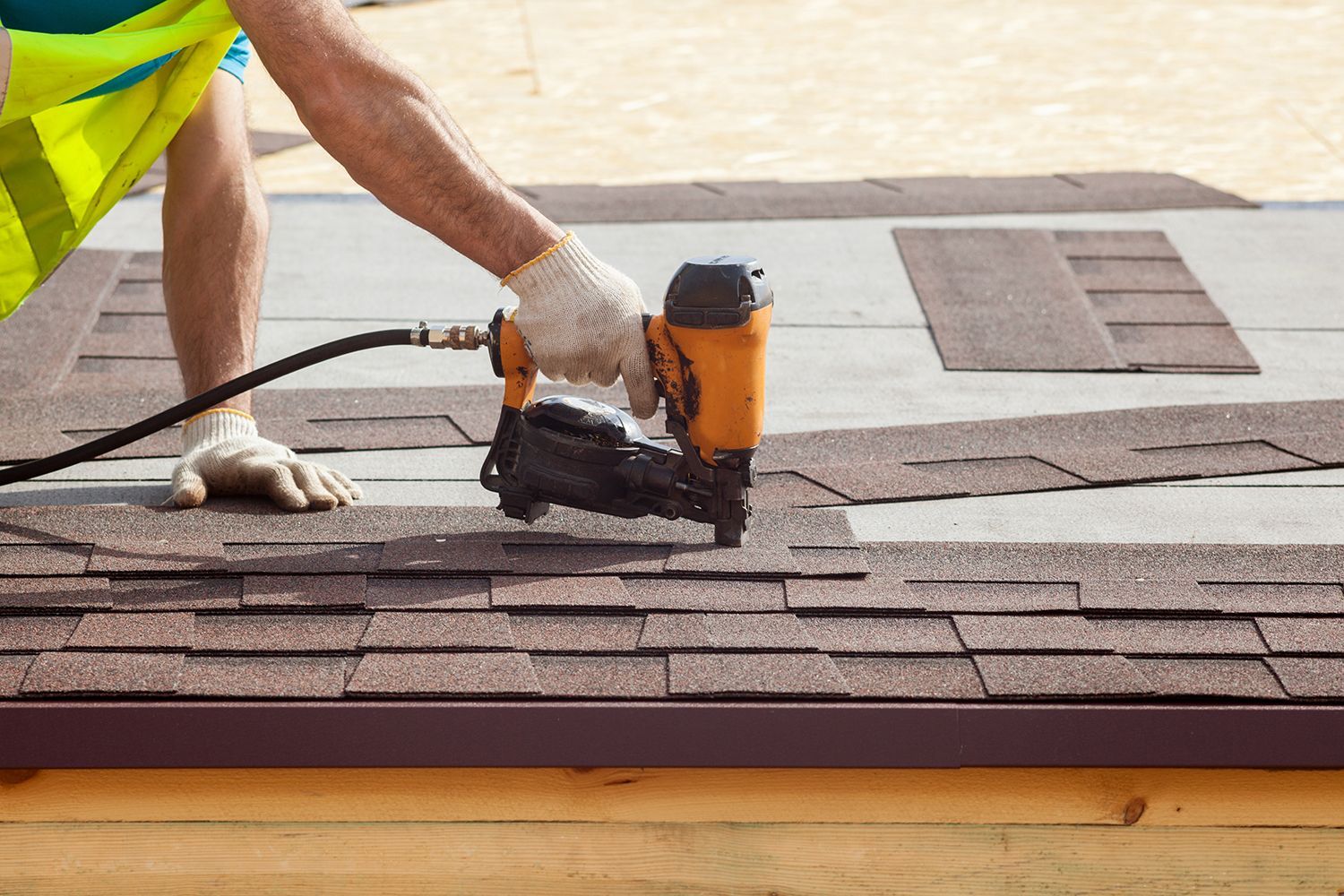
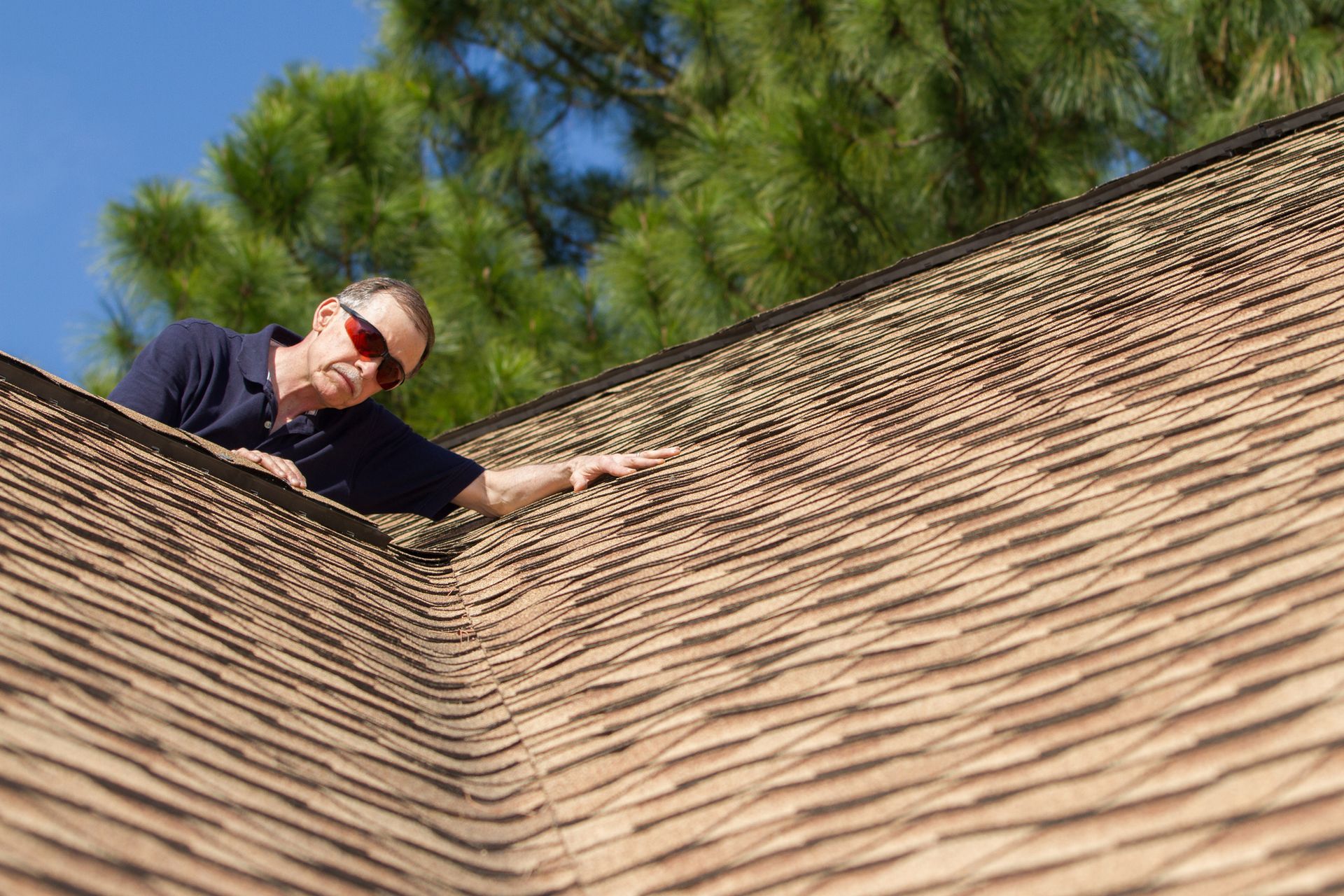
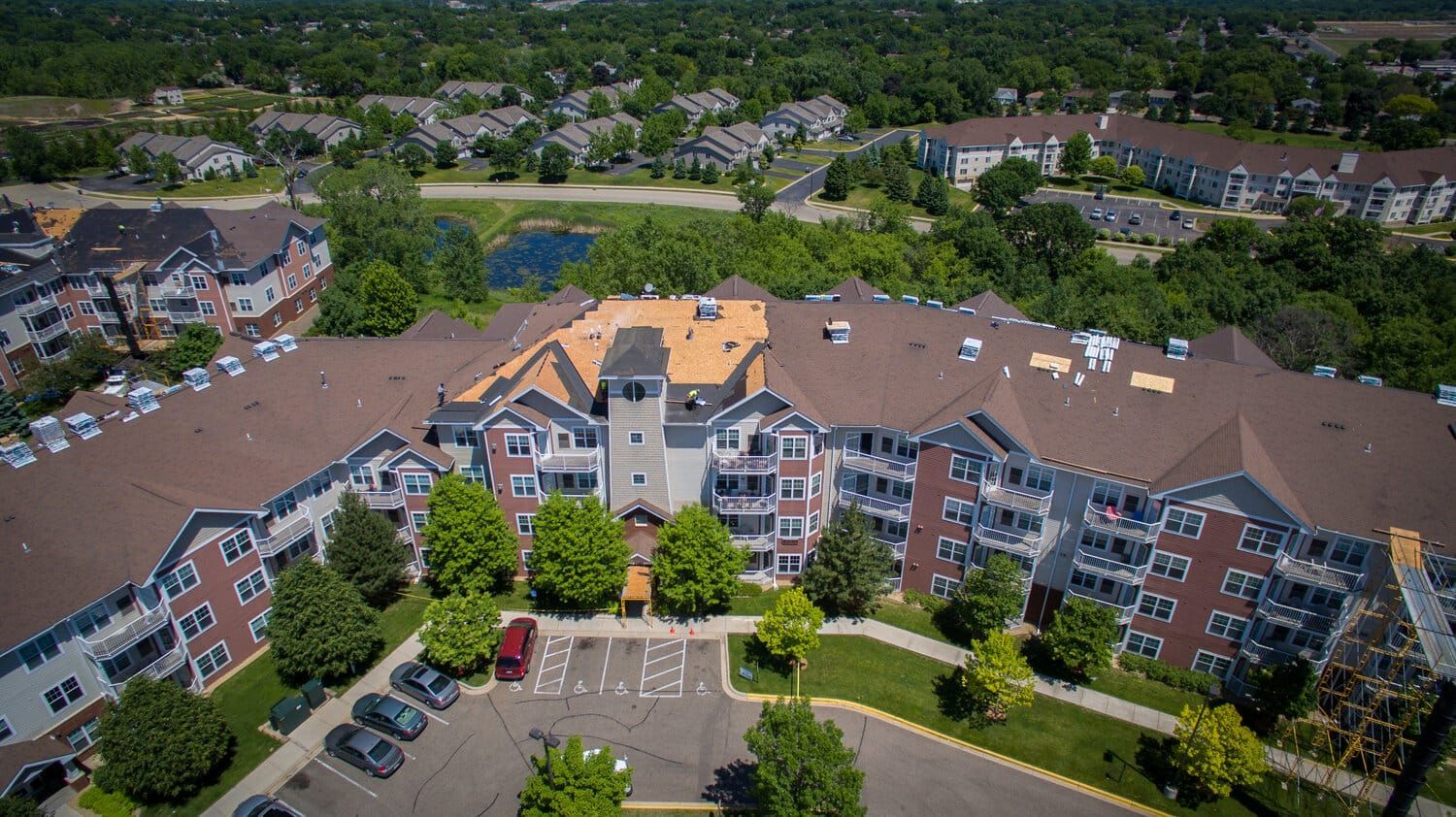
Asphalt shingles, the most common type in Minnesota, typically last 20 to 30 years. Architectural (dimensional) shingles tend to last a bit longer than traditional 3-tab shingles. If your roof is approaching 20 years old, it's worth having it inspected even if it looks okay from the ground. Age plus harsh winters can mean the end is closer than it appears.
Siding
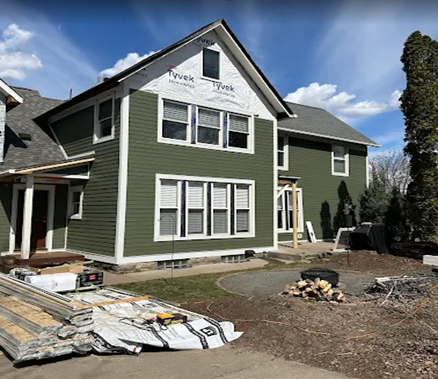
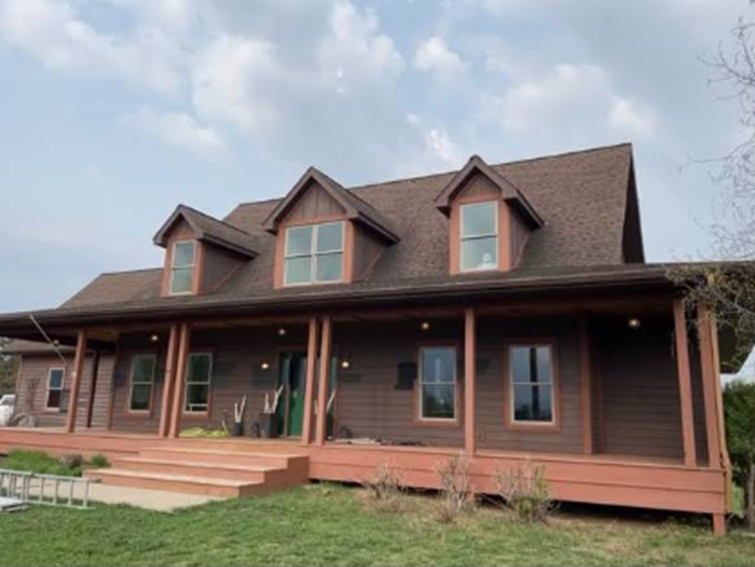
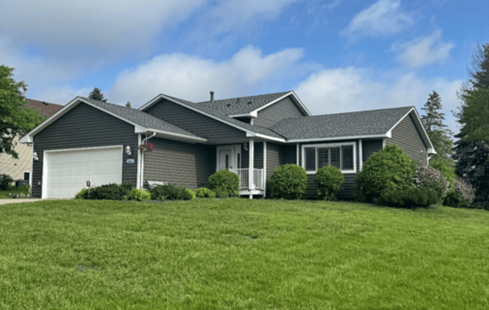
Vinyl siding has a lifespan of roughly 20 to 40 years depending on quality and installation. Fiber cement (like James Hardie) can last 30 to 50 years with proper maintenance. Wood siding varies a lot depending on how well it's been maintained and painted. Regardless of material, poor installation or failing flashing can shorten that lifespan significantly, which is why we always inspect what's behind the siding when doing a replacement.
Walk the full perimeter of your home and look for cracks, gaps, warping, or loose panels. Pay close attention to corners and areas around windows and doors, those are the spots most likely to have let moisture in over the winter. If anything looks soft, discolored, or bubbled, it's worth having a professional take a closer look.
Windows
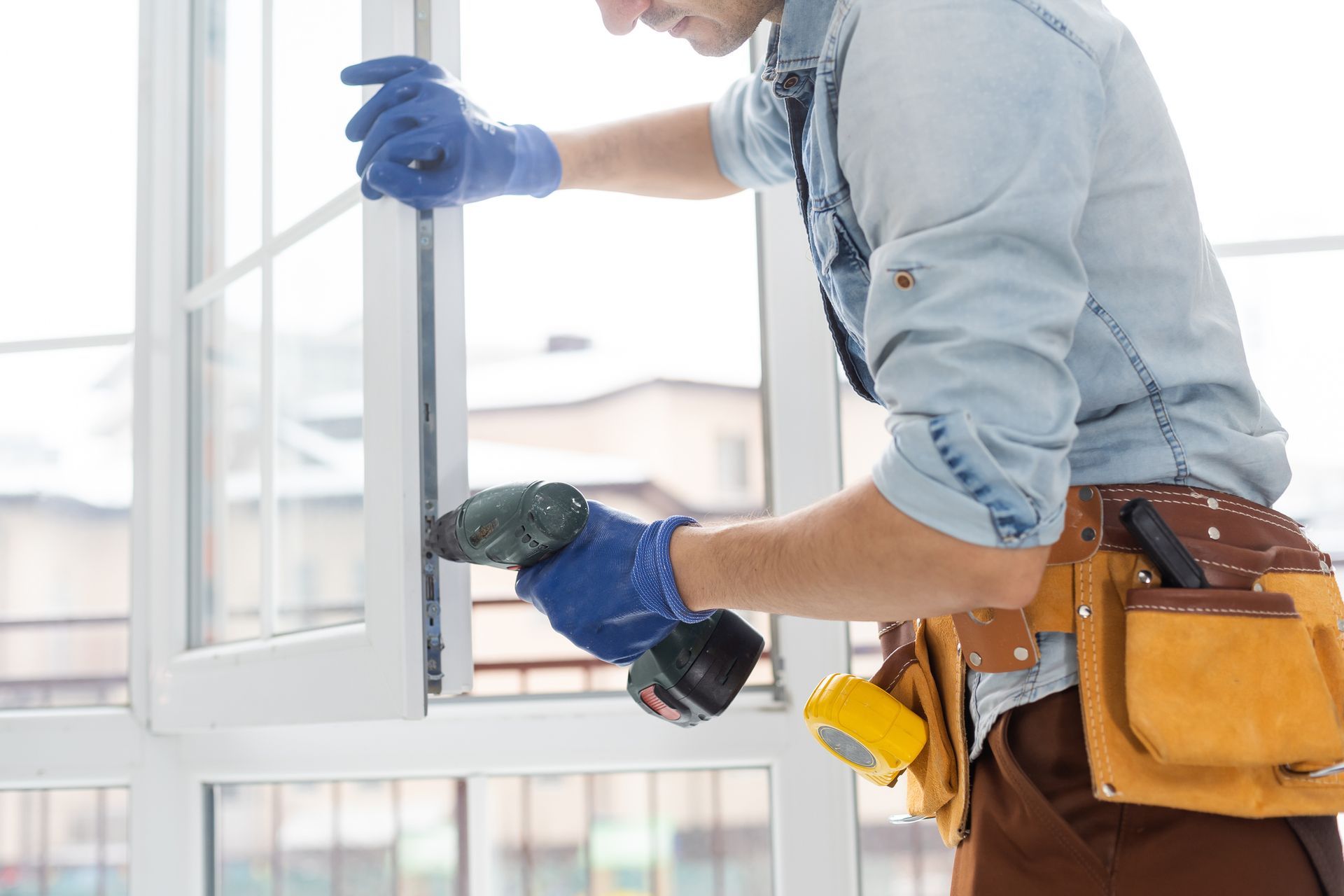
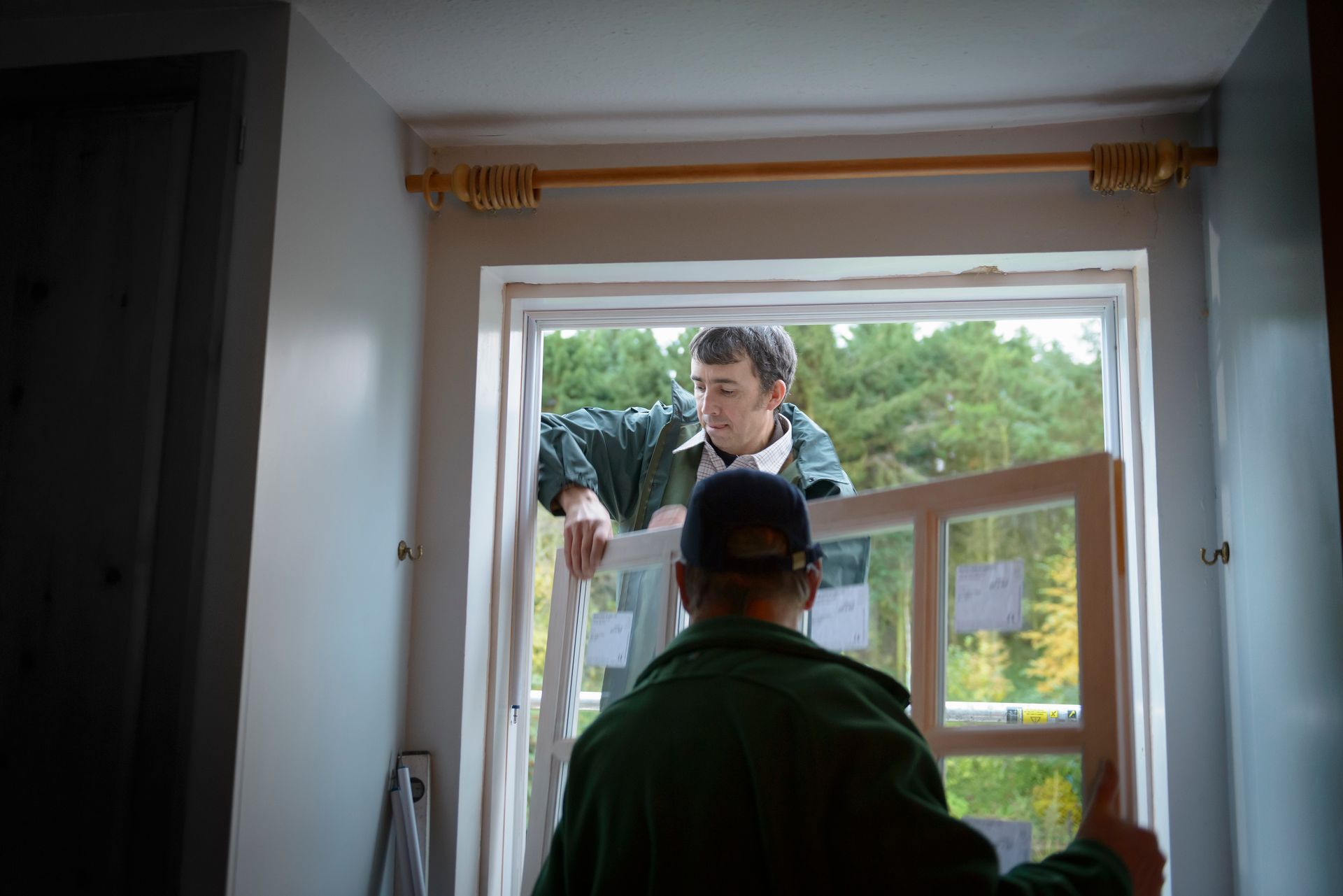
Quality windows typically last 15 to 30 years. You'll know they're declining when you notice condensation between the panes (a failed seal), difficulty opening or closing, drafts near the frame, or noticeably higher energy bills. In Minnesota's climate, energy-efficient windows make a real difference year-round.
Gutters
Aluminum gutters generally last 20 years; copper can last 50 or more. Regular cleaning and making sure they're properly pitched makes a big difference. Sagging, pulling away from the fascia, or persistent leaking at the seams usually means it's time for a replacement.
The Bottom Line
These are general guidelines; your home's specific situation matters a lot. The age of the material, the quality of the original installation, how well it's been maintained, and your home's exposure to weather all play a role. If you're not sure where your home stands, Bruggeman Exterior offers free estimates and honest assessments. No pressure, just information.
Contact Us today!